Introductory Thoughts
Like most seniors, I see retirement as a time to enjoy life after years of work and responsibility. Yet for many people that enjoyment can be limited by a gradual loss of strength, flexibility, and mobility, which makes it harder to get about and do the things we’d like to do. That got me thinking about how we can maintain those physical abilities for as long as possible.
For many of us, the idea of going to a gym isn’t very appealing, but something gentler might be. As we get older, we start looking for ways of staying active that also feel comfortable, calming, and supportive of overall wellbeing. I’d often heard people mention both yoga and tai chi as gentle ways to stay balanced and relaxed, but I wasn’t clear on the difference between them or whether one suited seniors more than the other. That curiosity led me to a comparison article on these two mind-body practices that I thought others might find helpful.
Curated Summary
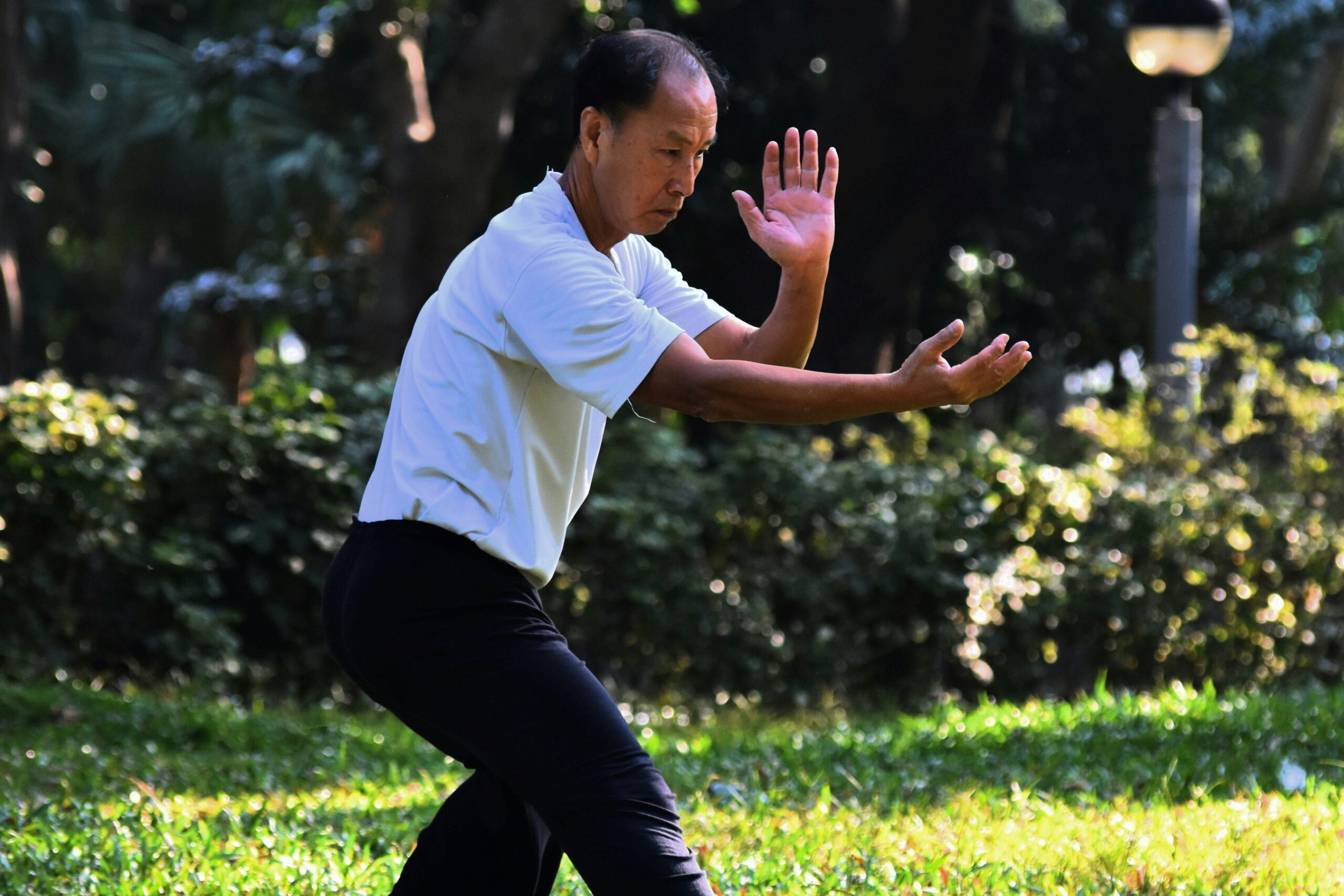
The article explains that yoga and tai chi are both practices that combine movement, breath, and focus, but they come from different traditions. Yoga has roots in ancient Indian practice and typically includes physical postures, breathing exercises, and sometimes meditation. Tai chi comes from Chinese martial arts and involves slow, continuous, flowing movements that are often described as “meditation in motion.”
The piece highlights that both practices can contribute to better balance, flexibility, and strength, even though they approach these benefits in different ways. It notes that yoga can vary widely — from gentle forms suitable for beginners to more physically demanding styles — while tai chi is generally slow and rhythmic from the start.
The article also points out that both activities involve attention to breathing and mindful movement, which can help reduce stress and support mental wellbeing. While it doesn’t focus on any one age group, the explanations make it clear that the slower, mindful rhythm of tai chi and the adaptable nature of yoga can both be gentle ways to stay active.
Takeaway for Seniors
For many of us in later life, staying active feels less about performance and more about comfort, balance, and feeling at ease in our own bodies. That’s where practices like yoga and tai chi can be especially appealing. When movement is combined with breath and focus, it becomes not just exercise, but a way of nurturing both body and mind.
Slow, mindful movement can help improve balance and flexibility — practical benefits that really matter as we get older. Better balance can reduce the risk of falls, and gentle stretching can ease stiffness and support mobility without strain. It’s worth noting that yoga comes in many forms, and the gentler, slower styles can be perfectly suitable even for people who have never tried it before.
Tai chi, with its continuous, flowing movements, can feel almost like a moving meditation. For many seniors it can be easier to begin with because it doesn’t require holding static poses or stretching into unfamiliar postures. The emphasis on slow, deliberate motion also encourages calm focus, which supports mental wellbeing as much as physical.
Both practices also invite a kind of present-moment awareness — paying attention to breath, posture, and subtle sensations. That quiet attentiveness can be a gentle form of mental engagement and reflection, much like meditation.
So whether it’s yoga, tai chi, or a blend of both, these mind-body practices offer ways to stay active with comfort and calm, not strain and rush. Many seniors find that exploring one or the other adds a peaceful, grounding dimension to daily life.
Source
This curated post is based on the Goodrx article: Tai Chi vs. Yoga: What’s the Difference?
Explore More In Mind, Body and Spirit