Introductory Thoughts
One of the things I’ve learned over my six-plus decades is how easily people fall into thinking and behaving according to society’s expectations. One common stereotype is that people in their senior years should be fragile, decrepit, and unfit. From that comes the assumption that staying fit becomes unrealistic after sixty. I’ve certainly noticed that my body responds differently now, but I don’t see that as a reason to simply give in and accept the stereotype. For me, I emphatically reject it.
That led me to wonder whether meaningful movement really does have to disappear with age. Wanting clear, sensible guidance aimed at people our age is what prompted me to look into this topic and led me to the article that inspired this post.
Curated Summary
The article explains that fitness after sixty is not about intense workouts or pushing physical limits, but about maintaining strength, balance, and mobility through simple, low-impact activities. It emphasises that regular movement can support everyday tasks and help people stay confident and independent.
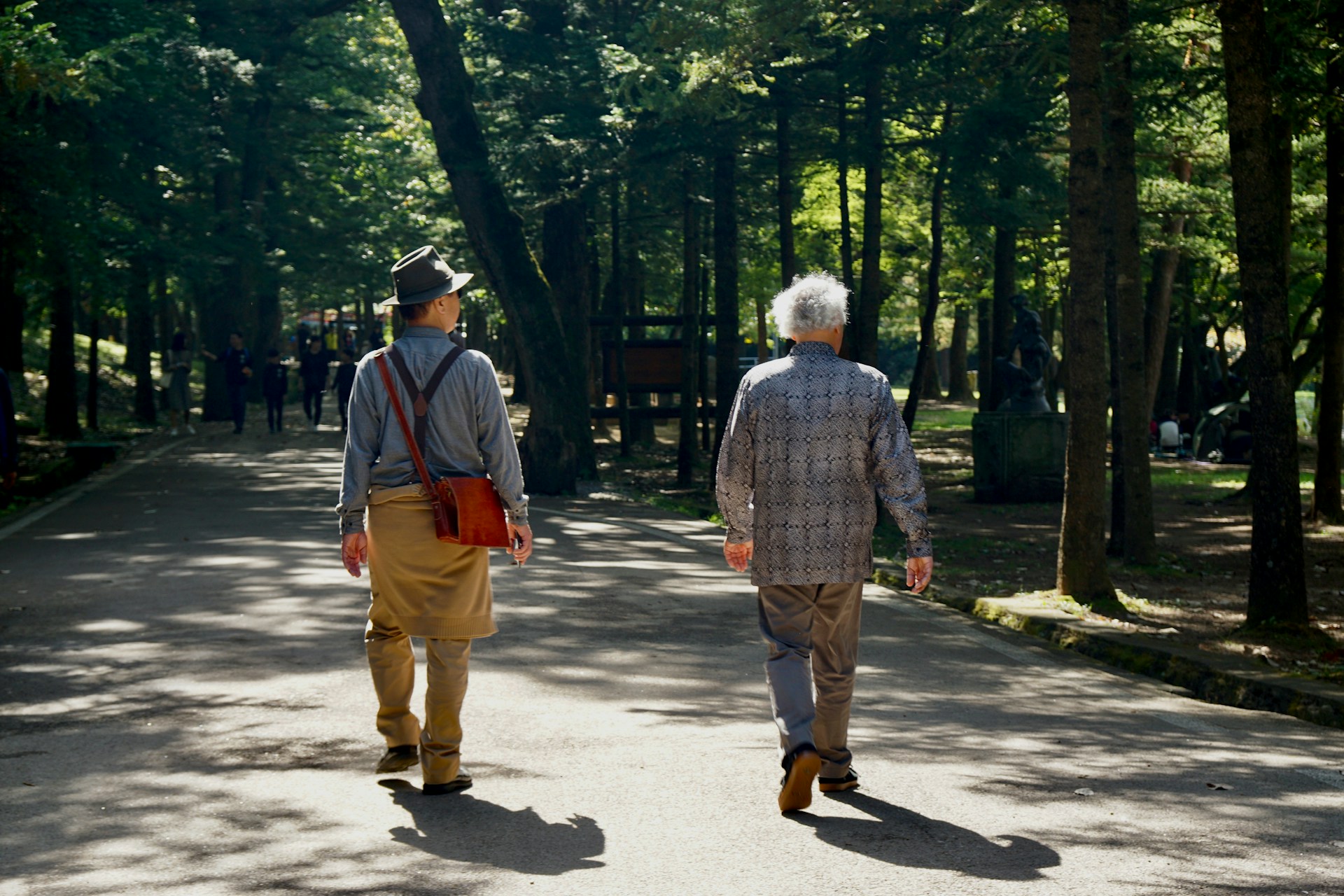
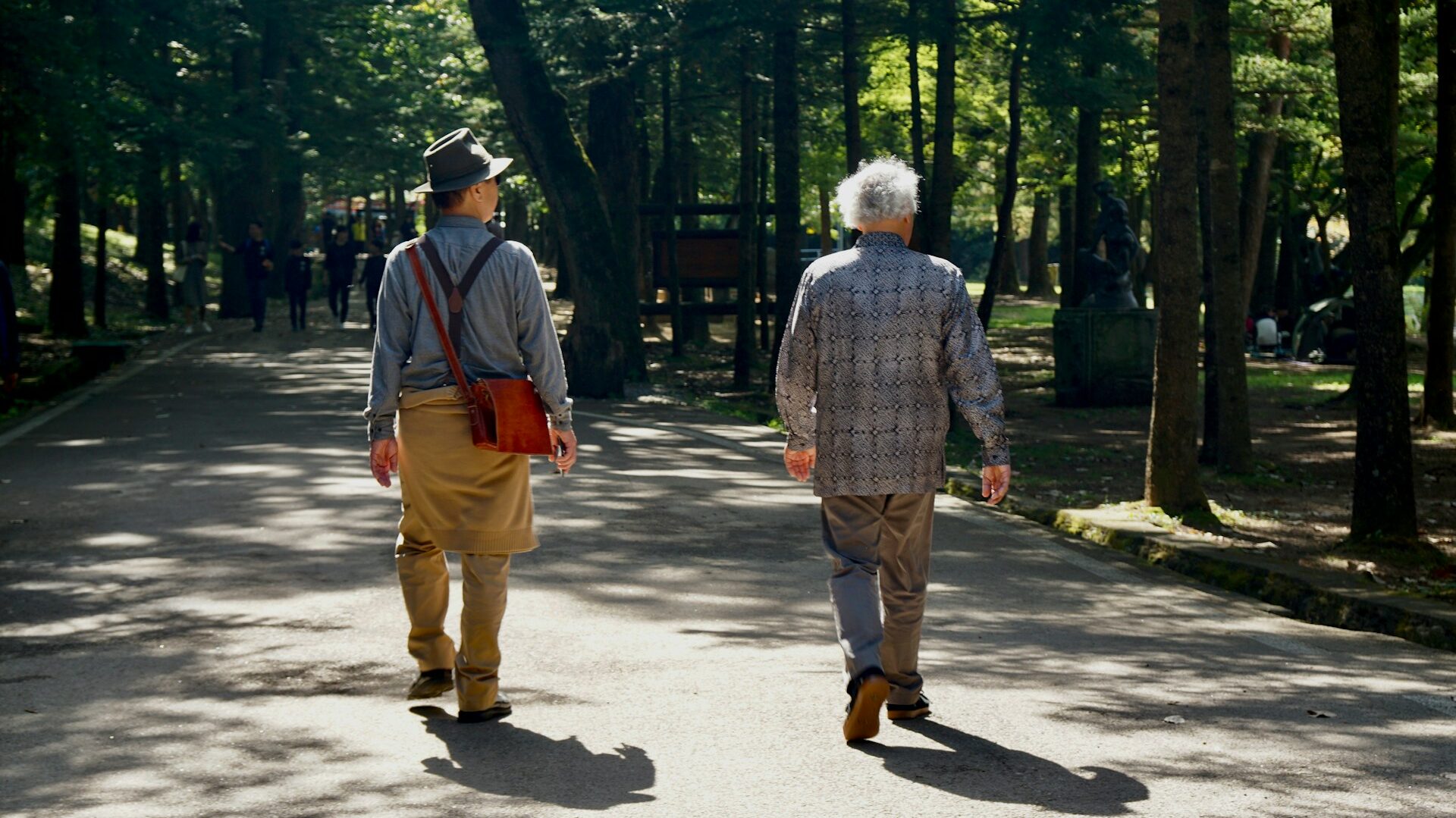
Walking is presented as an accessible way to support heart health and energy levels without placing too much strain on the body. Light strength training, using bodyweight, resistance bands, or small weights, is highlighted as a way to maintain muscle and support daily movements such as standing, lifting, and carrying.
The article also places importance on balance exercises, explaining that they play a key role in reducing the risk of falls. Stretching is included as a way to ease stiffness and keep joints comfortable, while low-impact cardio activities such as swimming and cycling are mentioned as joint-friendly options for improving endurance.
Overall, the article frames fitness later in life as a collection of manageable activities that work together to support comfort, confidence, and everyday mobility.
Takeaway for Seniors
What I appreciate about this approach is how realistic it feels. It moves away from the idea that exercise has to be intense or time-consuming to be worthwhile. Instead, it focuses on doing what helps you feel steadier, more comfortable, and better able to enjoy daily life.
From my own experience, consistency matters far more than intensity. A short walk, a few simple strength movements, or gentle balance work done regularly can make a noticeable difference over time. These small habits don’t just support physical health — they build confidence and make everyday activities feel easier.
Staying fit after sixty isn’t about proving anything or chasing old standards. It’s about finding ways to keep moving that respect where your body is now and support the life you want to live.
Source:
This curated post is based on the AARP article: 10 Types of Exercise That Can Help You Live Longer
Explore More In Mind, Body & Spirit