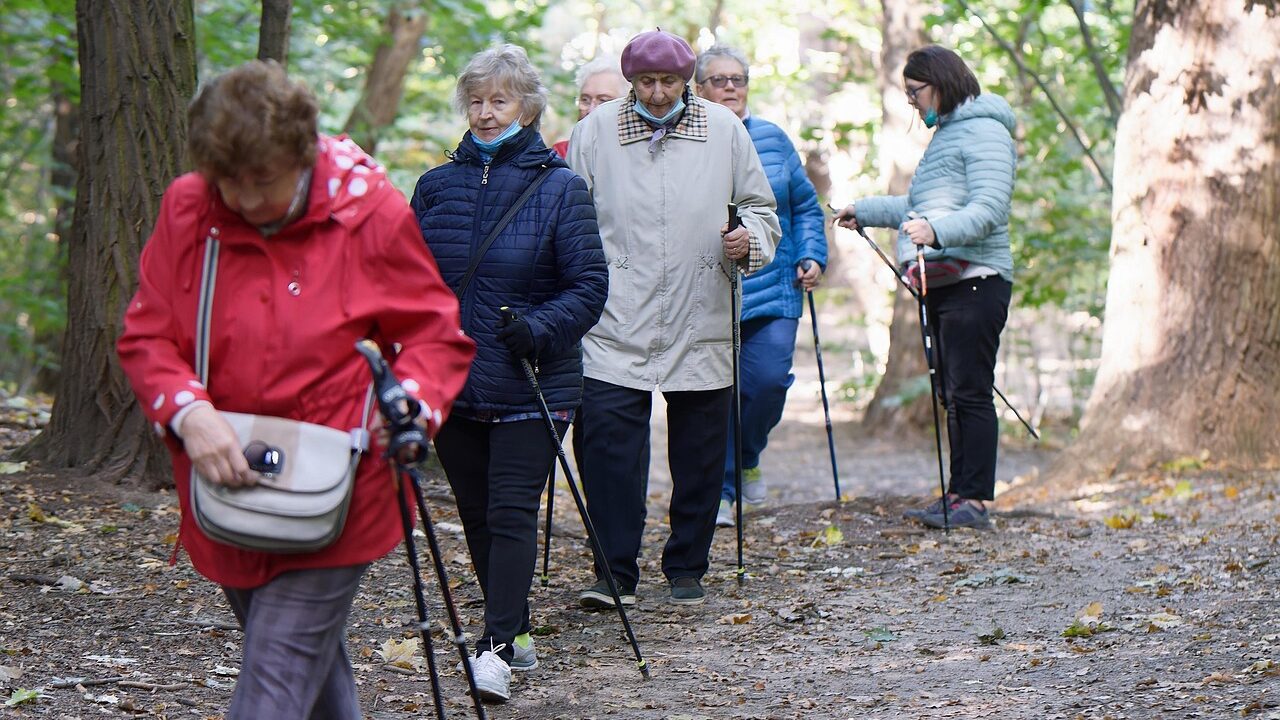
Introductory Thoughts
I’ve been active all my life and, until recently, hadn’t given it much thought. Now that I’m in my 60s and my body doesn’t handle physical exertion quite as easily, it seemed sensible to check whether there are any common-sense guidelines I should be following. After all, I don’t want to do more harm than good. That’s what led me to look for clear, plain-spoken guidance aimed specifically at older adults — and to this NHS page.
Curated Summary
The article, as just mentioned comes from the NHS, the UK’s publicly funded national health service, which provides official health guidance for people of all ages. It sets out clear physical activity guidelines designed specifically for older adults.
The guidance explains that older adults should aim to be physically active every day, even if the activity is light. Everyday movement such as walking, housework, or gentle gardening is included and encouraged.
It recommends a weekly total of either 150 minutes of moderate activity or 75 minutes of vigorous activity, or a combination of both spread across the week. Moderate activity is described as movement that slightly raises heart rate and breathing, while vigorous activity leads to deeper breathing and makes conversation more difficult.
The article places strong emphasis on strength, balance, and flexibility exercises at least two days a week. These activities help maintain muscle strength, improve stability, and lower the risk of falls.
Another key point is reducing long periods of sitting. The guidance encourages breaking up time spent seated with regular movement throughout the day.
Examples of suitable activities are provided, including walking, cycling, swimming, water aerobics, dancing, tai chi, yoga, and light strength exercises. The article notes that activities can be adapted to suit different abilities and fitness levels.
Takeaway for Seniors
What I like about this guidance is how realistic it is. It doesn’t focus on gyms or intense workouts, but on regular movement that fits into everyday life. For many of us, knowing that walking, gardening, or gentle exercise classes really do “count” can be reassuring.
Staying active isn’t about pushing limits — it’s about keeping joints moving, maintaining balance, and supporting independence for as long as possible. This NHS guidance provides a clear reference point, especially if you’re unsure whether you’re doing enough or where to start.
Source
This curated post is based on the NHS article: Physical activity guidelines for older adults — NHS
Explore More In Mind, Body and Spirit