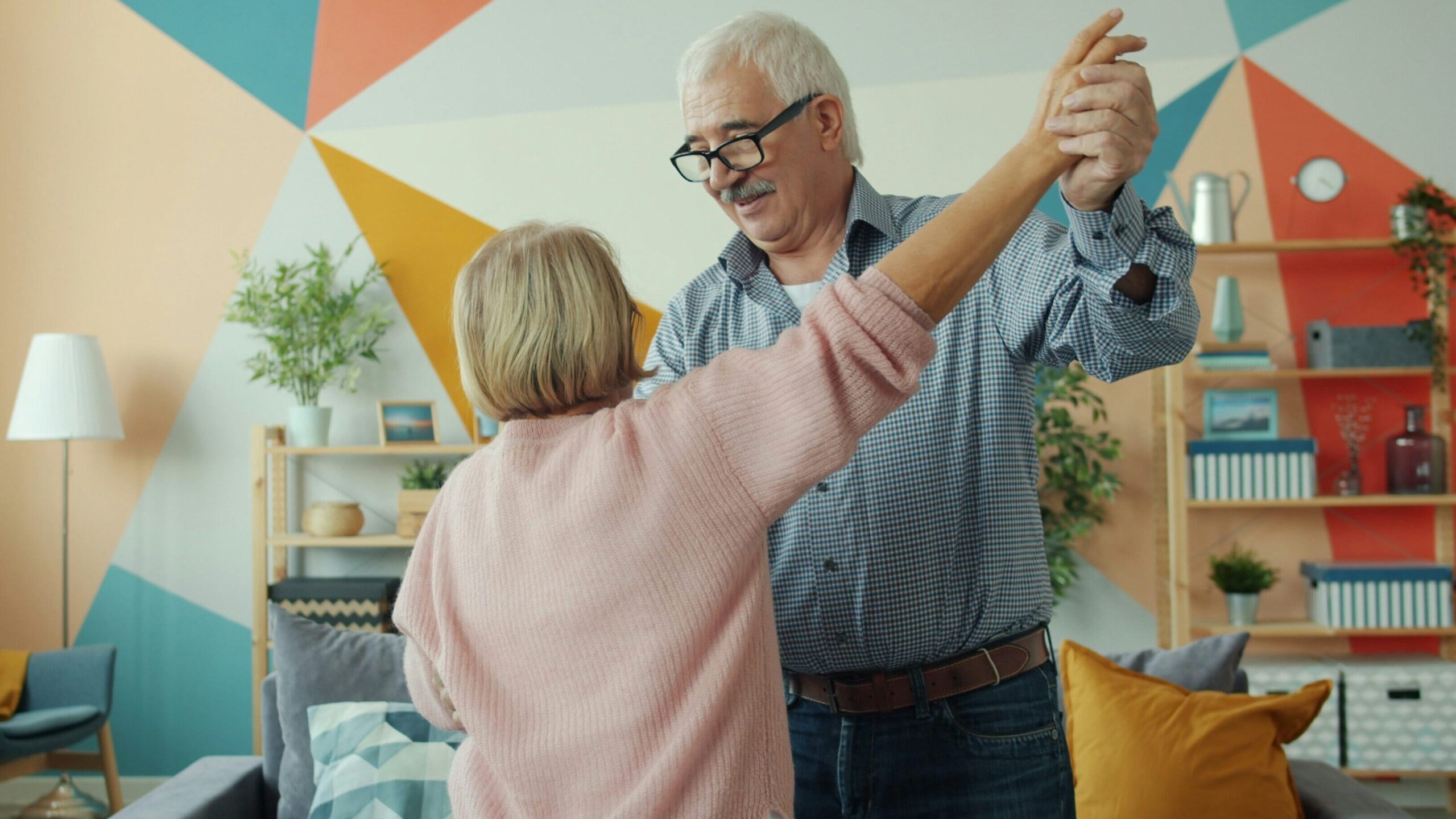
Introductory Thoughts
If, like me, you find yourself tapping along whenever music starts to play, then perhaps moving to a beat really is one of the nicest ways to stay active. While dancing the night away like we did in the 70s and 80s may no longer be quite so realistic, the simple idea of moving to music still holds a lot of appeal. For many of us it doesn’t feel like exercise at all — it just feels enjoyable, which can be exactly the motivation we need to get moving.
With that in mind, I went looking to see whether dancing is a sensible option as we get older and whether there are any things we should be aware of. That’s how I came across an article I thought would be useful to share.
Curated Summary
The article looks at dancing as a form of physical activity for older adults and explains that it can be both enjoyable and beneficial. It describes how dancing involves a mix of movement, rhythm, and coordination, which means it can help support balance, flexibility, and overall mobility.
It also notes that dancing can raise the heart rate in a gentle way, contributing to cardiovascular health without the strain that some forms of exercise can bring. The piece highlights that different styles of dance allow people to choose what suits them best, from slow and flowing movements to more upbeat routines, depending on comfort and ability.
The article also points out that dancing engages the brain as well as the body, since remembering steps and responding to music requires focus and attention. In addition, it explains that dancing is often done with others, making it a social activity that can help reduce feelings of isolation and improve mood.
Takeaway for Seniors
What I like about the idea of dancing is that it doesn’t feel like exercise in the usual sense. You’re not counting repetitions or pushing yourself through routines — you’re simply moving to music and enjoying the moment. For many seniors, that makes it much easier to keep going with it over time.
The mix of gentle movement and rhythm can help with balance and coordination, which are especially important as we get older. Even small, regular sessions can keep the body feeling more flexible and confident. And because dancing naturally involves listening, remembering, and responding to music, it gives the mind a workout too.
There’s also something quietly uplifting about dancing. Whether you’re moving around the living room on your own or sharing a class with others, it can lift the mood and bring a sense of lightness to the day. That blend of physical movement, mental engagement, and simple joy fits beautifully with what many of us look for in later life.
So while dancing might look like pure fun on the surface, it can also be a gentle and rewarding way to support both body and spirit as we get older.
Source
This curated post is based on the Healthline article: A Guide to Dancing for Seniors
Explore More In Mind, Body & Spirit