Introductory Thoughts
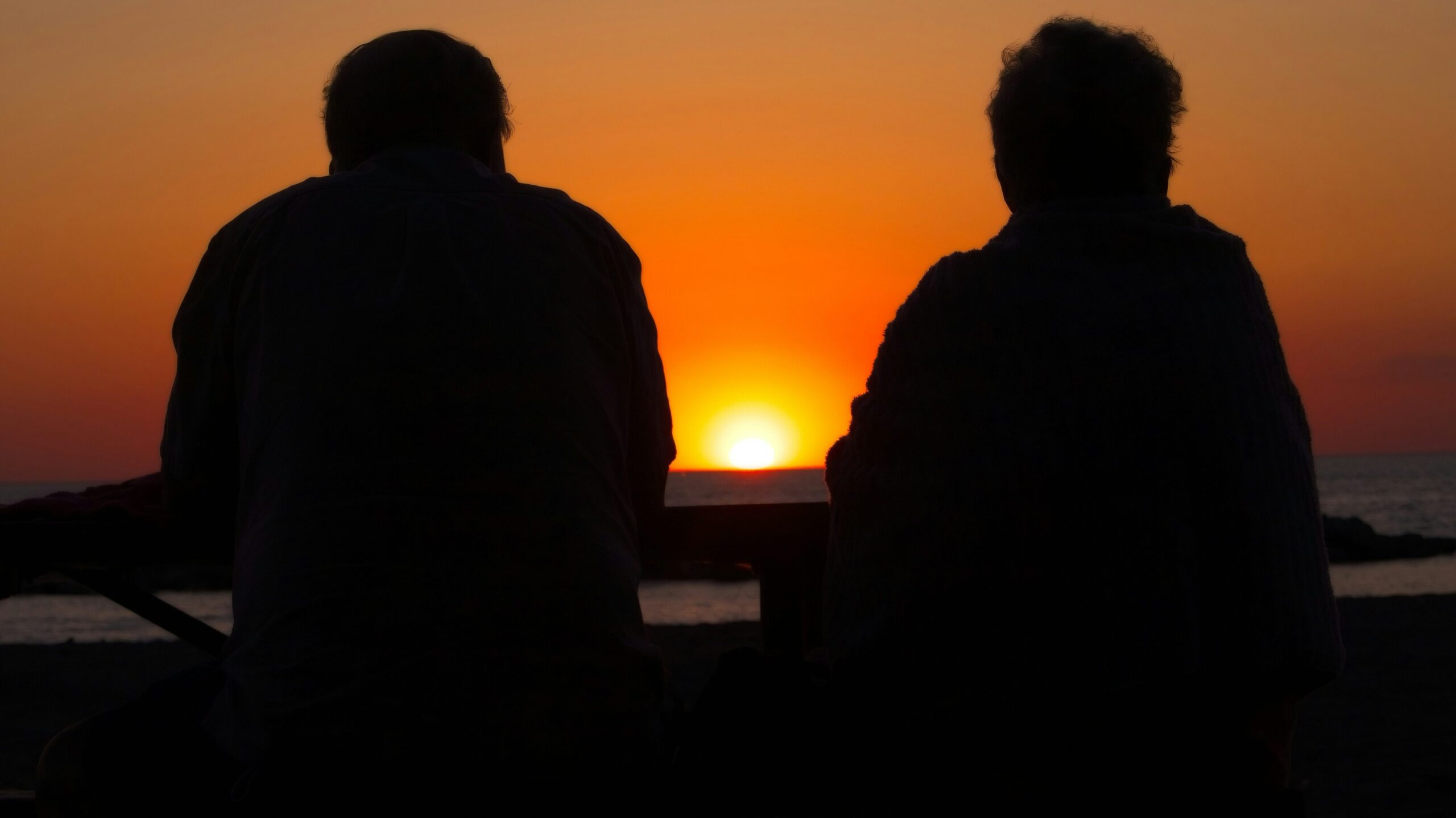
One thing I’ve noticed in my senior years is a growing reluctance to feel rushed, especially when it comes to something that’s meant to be enjoyable, like travelling. The idea of racing from one sight to another just to tick things off a list now holds very little appeal. I’m far more interested in savouring each moment, whether that means absorbing the culture, soaking up the atmosphere, or taking time to get to know the locals. Because of this, friends and family kept mentioning slow travel and how much they thought I would enjoy it. Curious, I looked into it and came across an article I thought was worth sharing.
Curated Summary
The article introduces the idea of slow travel as an alternative to rapid, checklist-style trips. Rather than trying to see as much as possible in a short period, slow travel emphasises spending more time in fewer places and engaging more deeply with local life and surroundings. It describes how slow travel isn’t tied to a particular route but is a mindset that encourages travellers to savour each part of the journey, whether that’s wandering a neighbourhood, trying local food, or simply sitting in a park and watching daily life.
The piece outlines that slow travel often means using local transport, walking more, and being open to spontaneous experiences instead of sticking strictly to plans. It also suggests that moving at a gentler pace can lead to more authentic interactions and a stronger sense of connection with the places visited. While slow travel may not suit every destination or season, the idea is presented as a way to make travel feel richer and less rushed.
Takeaway for Seniors
For many older adults, travel isn’t just about checking off famous landmarks or racing through lists of attractions. It’s about enjoying comfort, calm, and a sense of connection with places and people. Slow travel naturally supports this approach because it removes much of the pressure to keep up a hectic pace. When you stay longer in a place and take time to explore at a leisurely pace, there’s less physical strain and more opportunity to appreciate subtleties — the rhythm of a market, the changing light over a square, or the relaxed laughter of neighbours in a café.
Another practical benefit of slow travel is that it often works well with a retirement budget. By spending more nights in one accommodation and travelling outside peak holiday seasons, costs for lodgings and transport can be lower. This means you might afford more comfort, longer stays, or even a few trips throughout the year instead of one rushed vacation.
Slow travel also tends to align with wellbeing. A gentler schedule gives your body and mind space to rest between activities, and the focus on local experiences can make each trip feel less like a checklist and more like a personal story. For those of us living in colder climates, choosing milder seasons or quieter months in other regions can lift the spirits and extend the feeling of renewal long after the trip ends.
Overall, slow travel turns a holiday into a more thoughtful, comfortable, and memorable experience — the kind that many seniors appreciate most because it fits better with both physical comfort and personal enjoyment.
Source
This curated post is based on the Travelinmad article: The Power of Slow Travel (How to Experience More When You Intentionally Slow Your Pace)
Explore More In Travel & Leisure